


September 2026
2026 Newsletter
2025 Newsletter
2024 Newsletter
2023 Newsletter
2022 Newsletter
2021 Newsletter
2020 Newsletter
From the CEO
New Team Members
We’ve grown! The Committee for Brisbane was this month delighted to welcome two new members to our team.
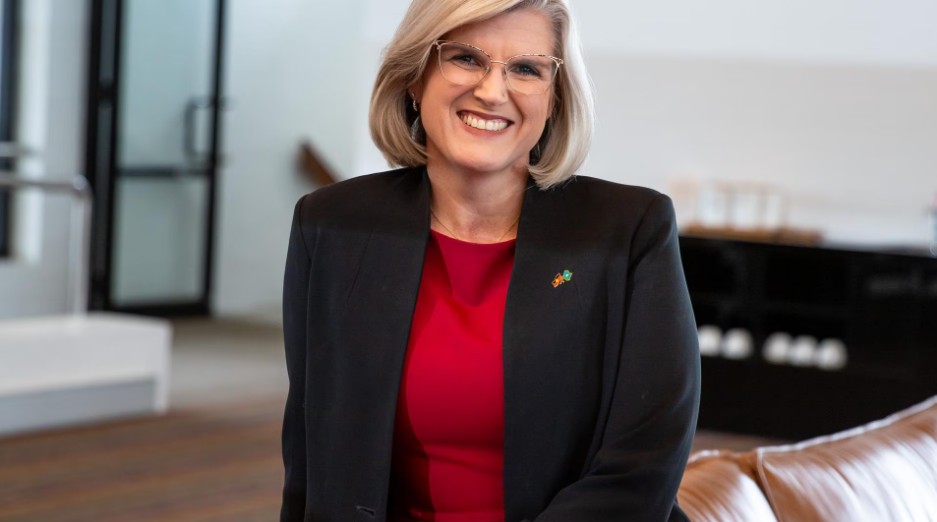
Meet Dr Marie Perry
Marie takes on the role of the Committee for Brisbane’s Policy Manager, meaning she will primarily be responsible for our sub-committees (soon to be renamed Reference Groups), research, submissions and advocacy work. A big job!
She joins us after an impressive career in education, previously working in roles including Principal/CEO of schools here in the Brisbane region and capital cities across the country. We are so excited by the incredible experience and insights she will bring to our team and our policy work.
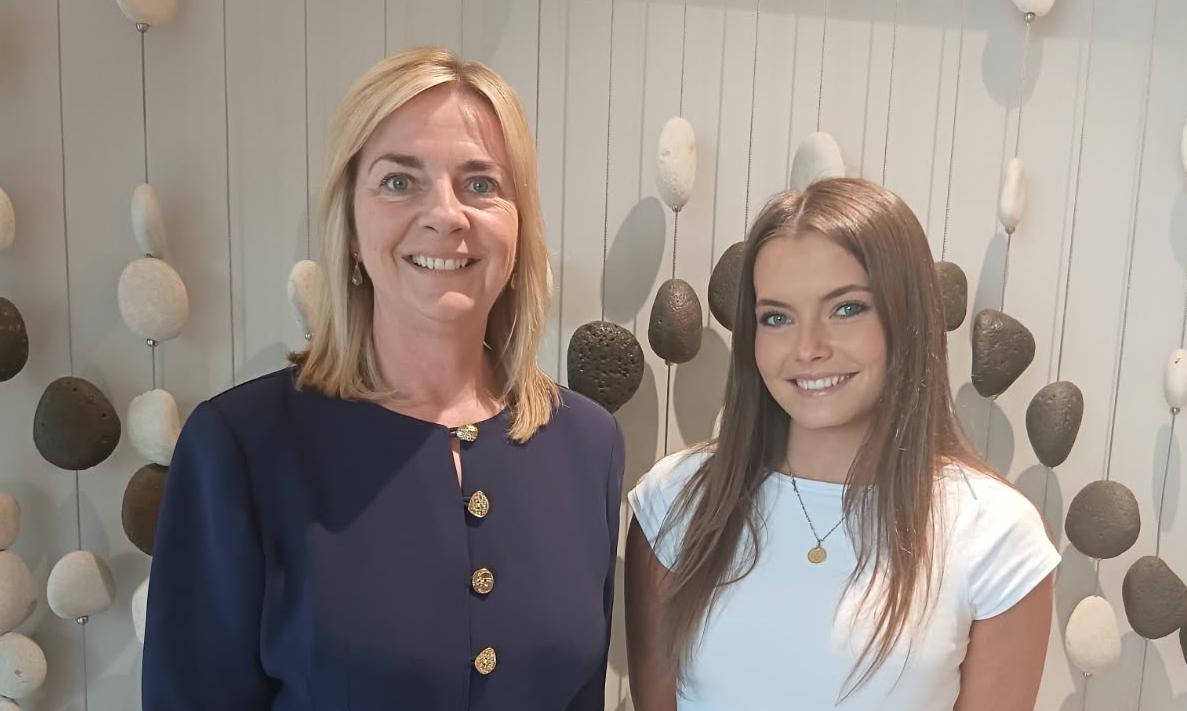
Meet Tara McAteer
Tara has come on board as a casual Events Assistant, helping out the team with the delivery of our fabulous events and forums.
She is currently studying a Bachelor of Business, Marketing, at QUT, so will be balancing full time uni with her work at the Committee. Welcome Tara!
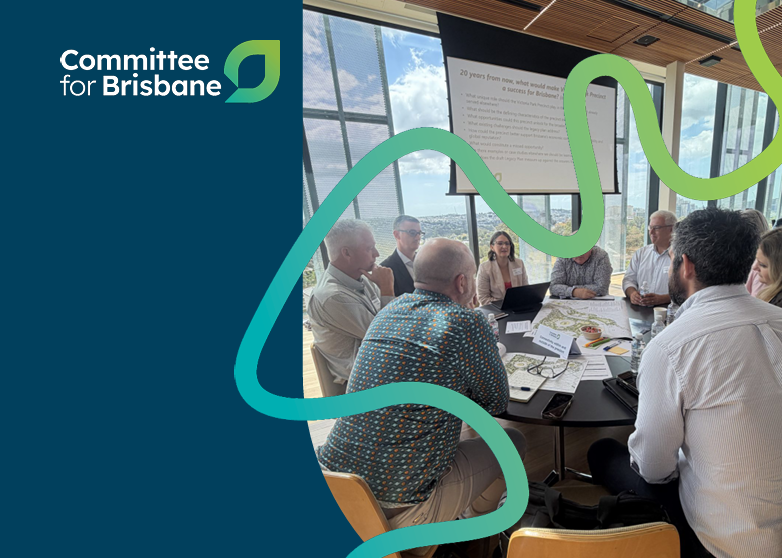
Victoria Park Precinct Draft Legacy Plan Workshop
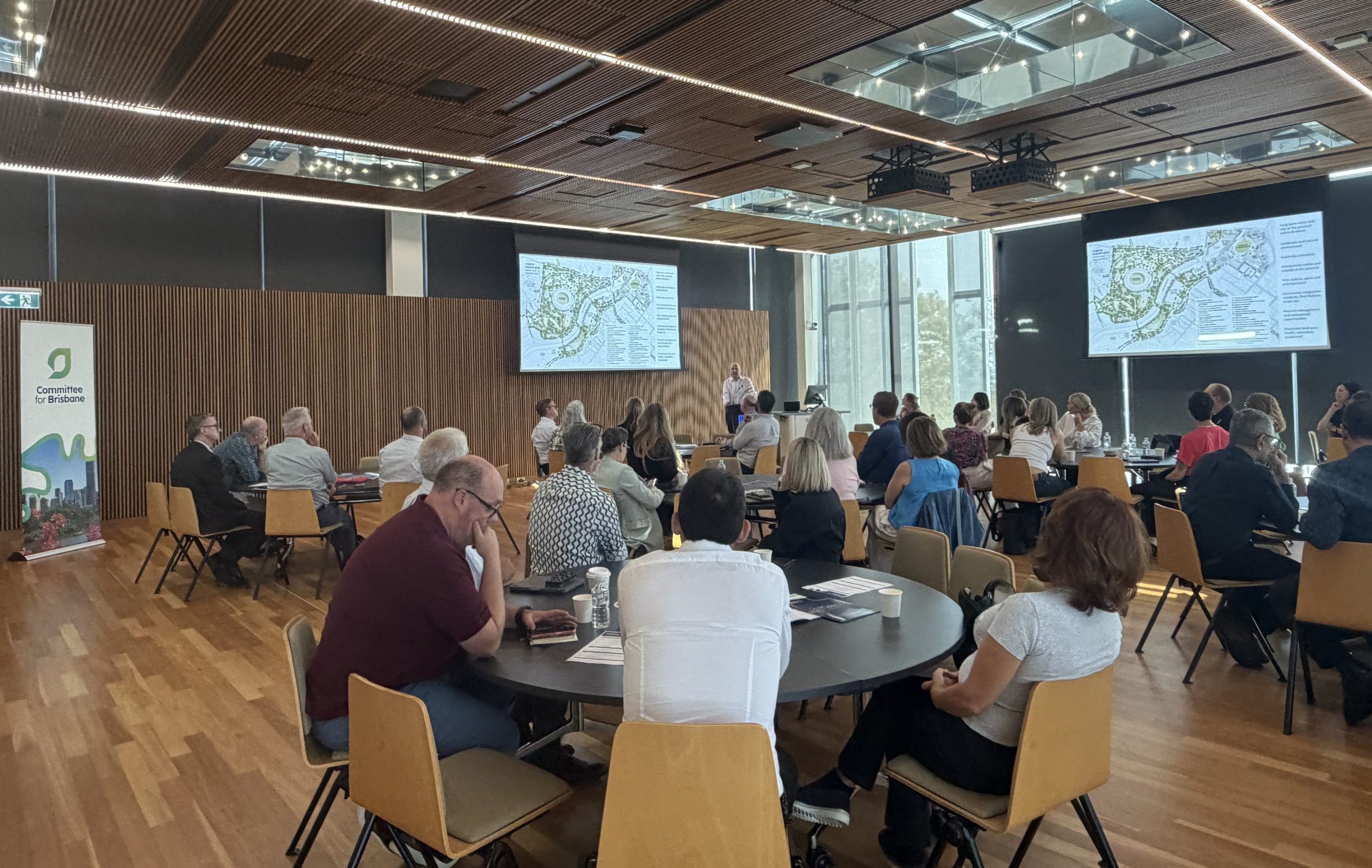
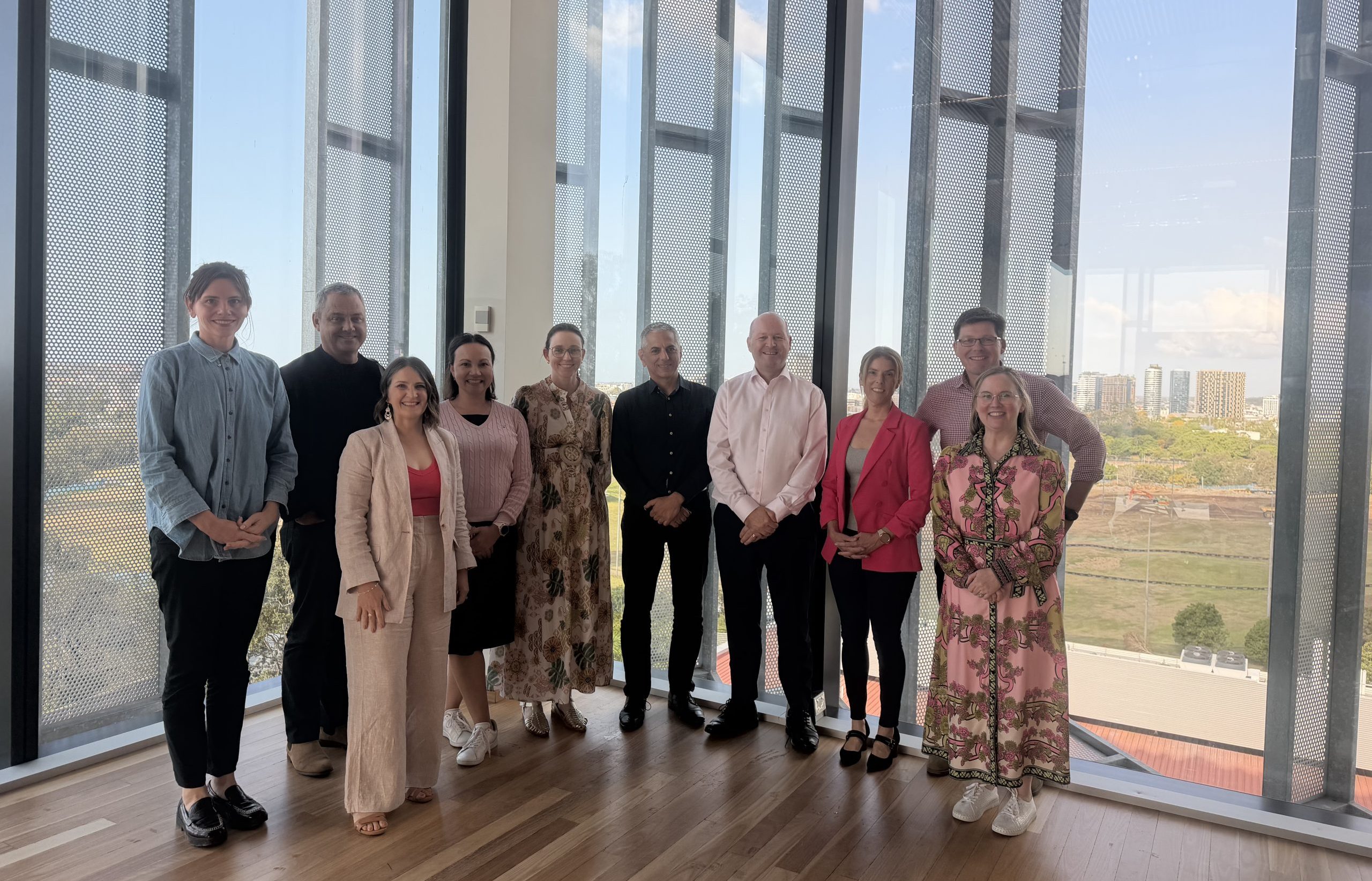
On 7 September, the Committee for Brisbane brought members together at QUT Kelvin Grove for a workshop focused on the Queensland Government’s Victoria Park Precinct Draft Legacy Plan.
Through a series of facilitated discussions, members explored the opportunities, challenges and priorities that will shape the future of the precinct. Drawing on the expertise of the Committee’s diverse membership, the workshop generated valuable insights that will help inform the Committee’s submission on this significant city-shaping project.
Located less than two kilometres from Brisbane’s CBD and spanning more than 64 hectares, Victoria Park represents one of Brisbane’s most significant urban transformation opportunities. The draft plan considers the broader precinct, including the proposed Brisbane Stadium, National Aquatic Centre, Brisbane Showgrounds and surrounding destinations, with a focus on connectivity, public space, transport integration, community and sporting infrastructure, and long-term investment.
As Brisbane looks towards 2032 and beyond, discussions reinforced the importance of a long-term approach that prioritises lasting outcomes for the city. Victoria Park has the potential to become an enduring civic asset that strengthens liveability, accessibility and economic opportunity while creating benefits for generations to come.
The Committee for Brisbane thanks all members and stakeholders who contributed their time, expertise and perspectives to the discussion, along with QUT for hosting us for the day.
Feeding our Games Ambition
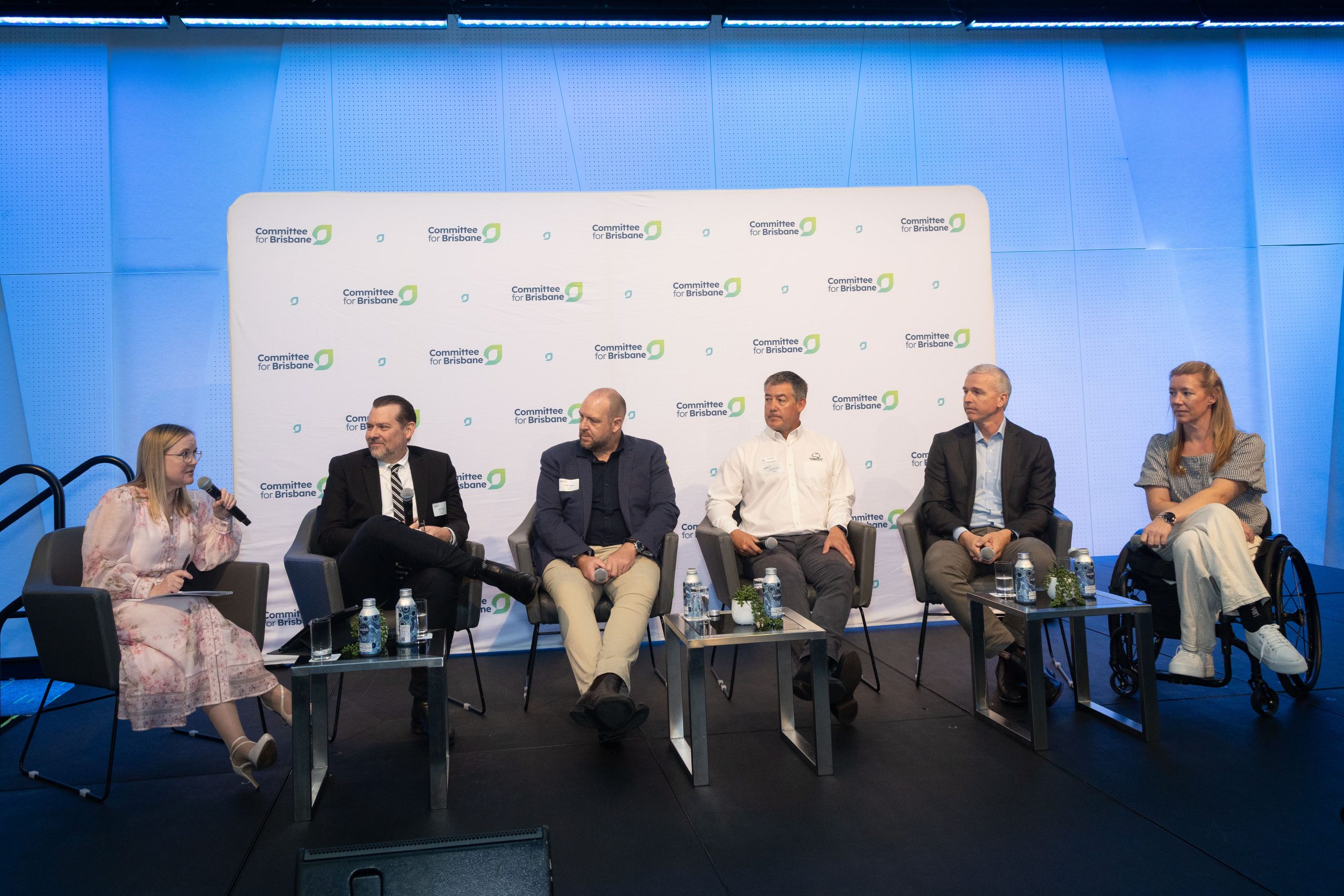
On 1 September, the Committee for Brisbane discussed the opportunities and challenges facing our food, beverage and agribusiness sectors in the lead up to the 2032 Olympic and Paralympic Games.
The conversation explored how the Games can be more than a temporary boost in demand. Feeding the 2032 Games will mean catering to the diverse needs and expectations of athletes, officials, volunteers and visitors from around the world.
But food is about more than sustenance. It is part of the experience, a reflection of our culture and a powerful way to tell the story of our city-region. The Games present an opportunity to showcase Queensland’s producers, culinary talent and local brands to a global audience, helping shape how visitors experience, remember and talk about Queensland long after they return home.
Panellists also highlighted that delivering on this opportunity is not simply a question of producing more food. It will require innovation across the entire ecosystem, from understanding evolving consumer preferences and dietary needs to building smarter, more sustainable and resilient food systems.
A big thank you to our panellists for sharing their expertise and insights:
– Professor Janet McColl-Kennedy, Australia’s Food and Beverage Accelerator (FaBA)
– Brett Pickett, Delaware North
– Andrew Baturo, Dap & Co.
– Dr Cathy Robinson, CSIRO
– Fern Barrett, Tennis Australia
As we look towards 2032, collaboration between industry, researchers, government and the broader supply chain will be critical to creating a lasting legacy.
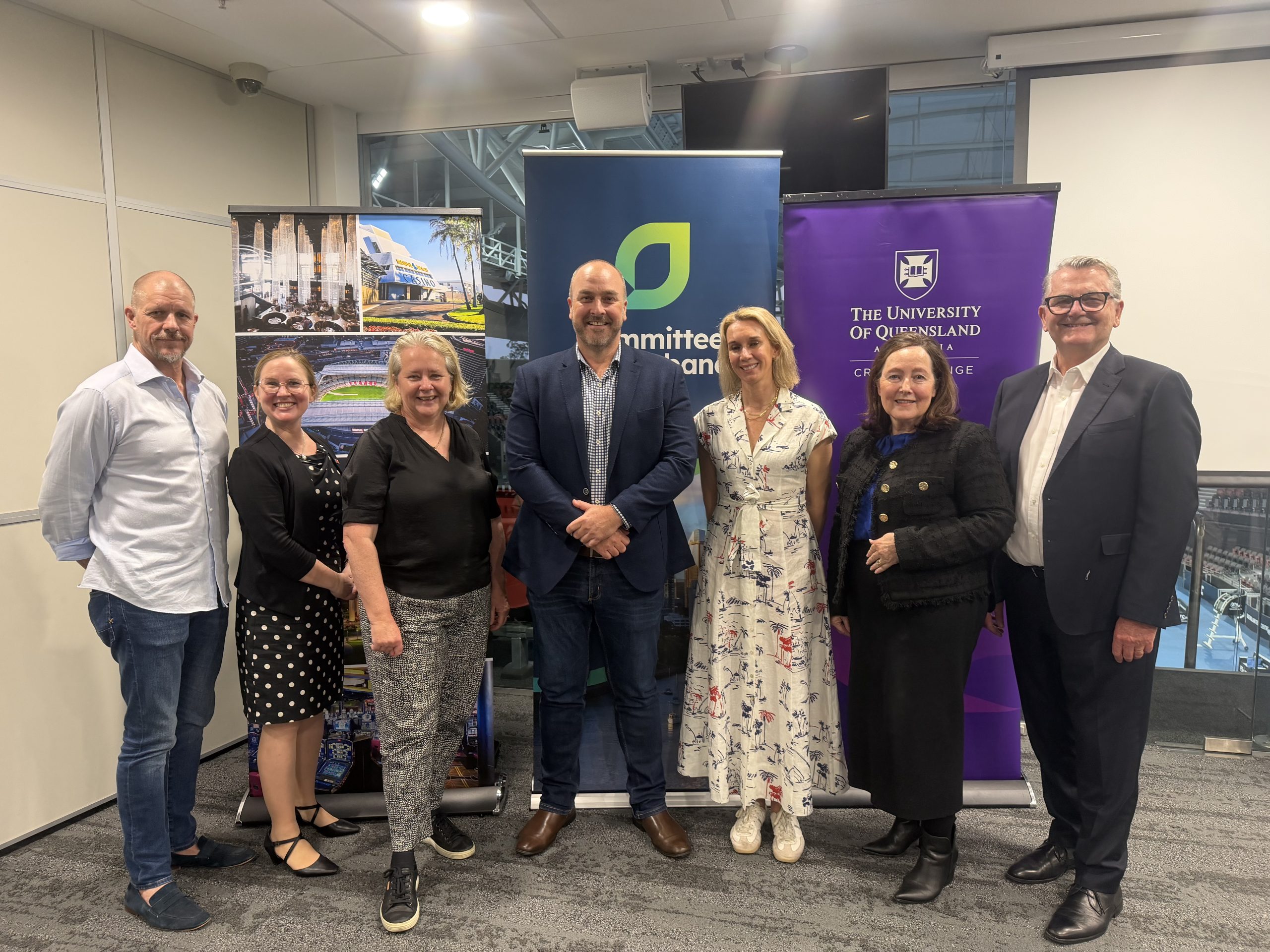
Thank you to our sponsors, Delaware North and The University of Queensland, for supporting the event, and to Tennis Queensland for hosting us at the incredible Queensland State Tennis Centre, at what will be an Olympic venue.
Check out photos of the event here.
Supported by


How does Brisbane accommodate the world?
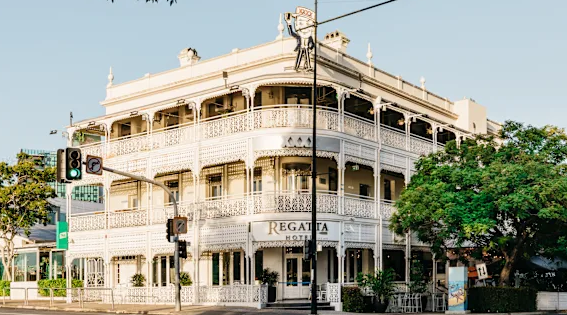
The Committee for Brisbane September Lunch reinforced something we’ve been saying for some time: Brisbane’s accommodation story for 2032 is about much more than hotels. Yes, the city desperately needs a significant uptick in hotel rooms, and along with getting these under constructions, we also need to start thinking about how we will leverage other assets.
With representatives from Airbnb, Port of Brisbane Pty Ltd, Superyacht Australia, Camplify Holdings Limited and UniLodge Living Group, the conversation explored the diverse accommodation ecosystem that will be needed to support the millions of visitors expected in the lead up to and during the Brisbane 2032 Olympic and Paralympic Games.
What stood out was the willingness across sectors to collaborate, innovate and challenge traditional thinking. Whether it’s unlocking student accommodation capacity, leveraging short-term rentals, activating maritime assets or embracing new visitor accommodation models, opportunities exist if we start planning now.
A huge thank you to our speakers Suzanne Edwards – Airbnb, Brendan Connell – Port of Brisbane Pty Ltd, David Good – Superyacht Australia, Justin Hales – Camplify Holdings Limited and Matt Row – UniLodge Living Group for their time and insights.
Thank you also to our Major Sponsor, Arcadis, and Support Sponsor, Economic Development Queensland (EDQ), for helping make these important industry conversations possible. And a special thanks to the Brisbane Festival’s The Choir of Man for a wonderful creative showcase that added a uniquely Brisbane touch to the event.
We were also delighted to welcome members of the Dutch Embassy’s Trade delegation to the event. Their presence reflects the growing international interest in Brisbane’s journey to 2032 and the opportunities that the Games present.
Brisbane has a once-in-a-generation opportunity to redefine what a successful Games-time accommodation strategy looks like. The challenge is significant, but so too is the opportunity.
Check out photos of the event here.
Supported by

Boardroom lunch with the Hon Tim Mander MP
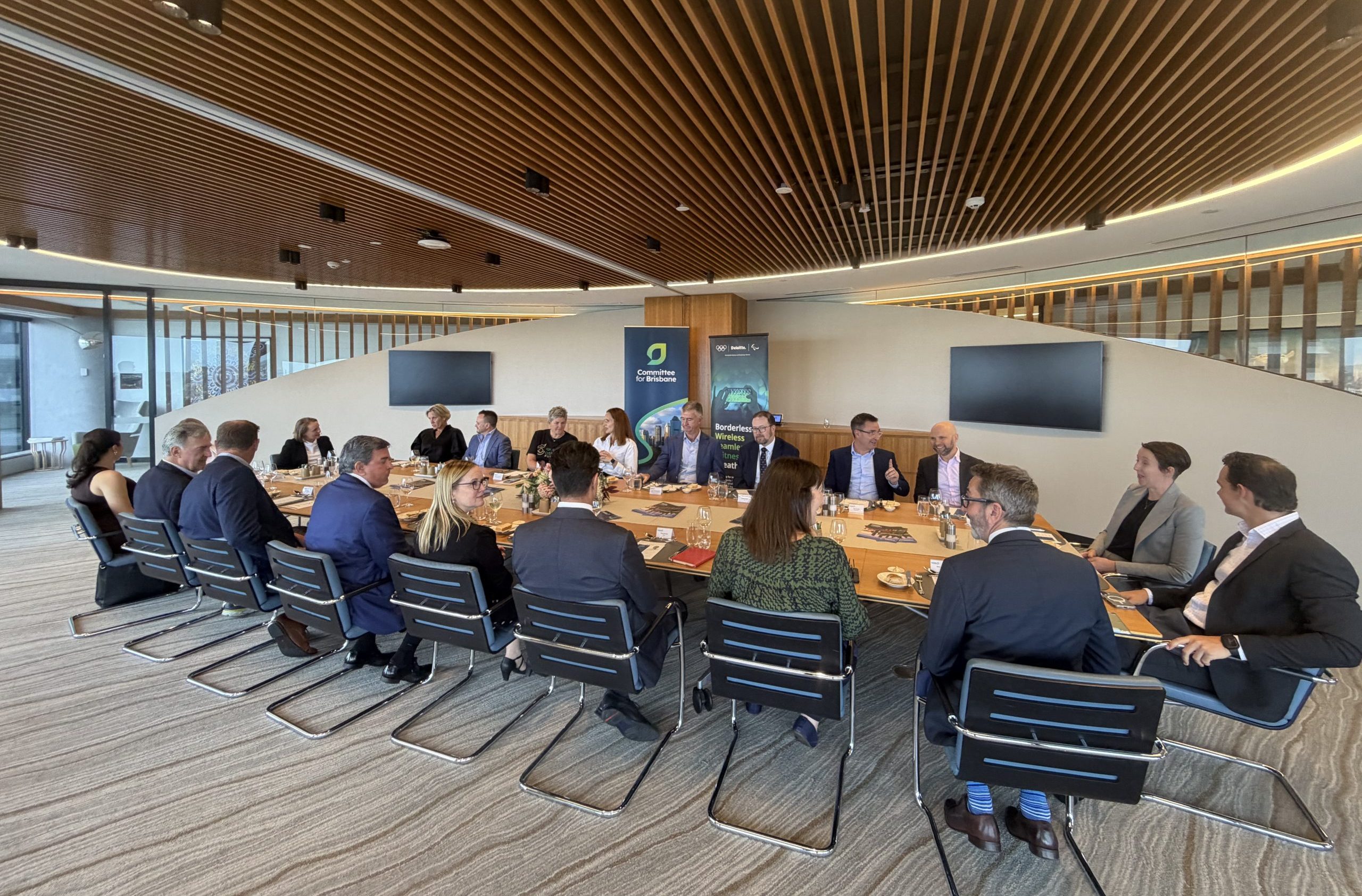
Our Platinum Partners recently joined us for a Boardroom Lunch with Queensland Minister for Sport and Racing and Minister for the Olympic and Paralympic Games, Tim Mander MP, kindly hosted by the team at Deloitte.
The discussion provided partners with an opportunity to hear directly from the Minister on Queensland’s preparations for the Brisbane 2032 Olympic and Paralympic Games and the significant opportunities the Games present for Brisbane and the wider city-region.
Minister Mander outlined the Queensland Government’s approach to Games delivery and explored how the Games can help accelerate long-term city-shaping initiatives that support Brisbane’s growth, liveability and global competitiveness. He also passionately shared his desire to see an increase in people of all ages getting more active and involved in sport.
As always, the Boardroom Lunch provided a valuable forum for candid discussion between senior industry leaders and government on issues that will shape Brisbane’s future.
We thank Minister Mander for his time, insights and willingness to engage directly with Committee for Brisbane members, and Ellen Derrick, Yann Pastor and the team at Deloitte for hosting the conversation.
Hosted by

Shaping South East Queensland’s Mobility Future to 2050
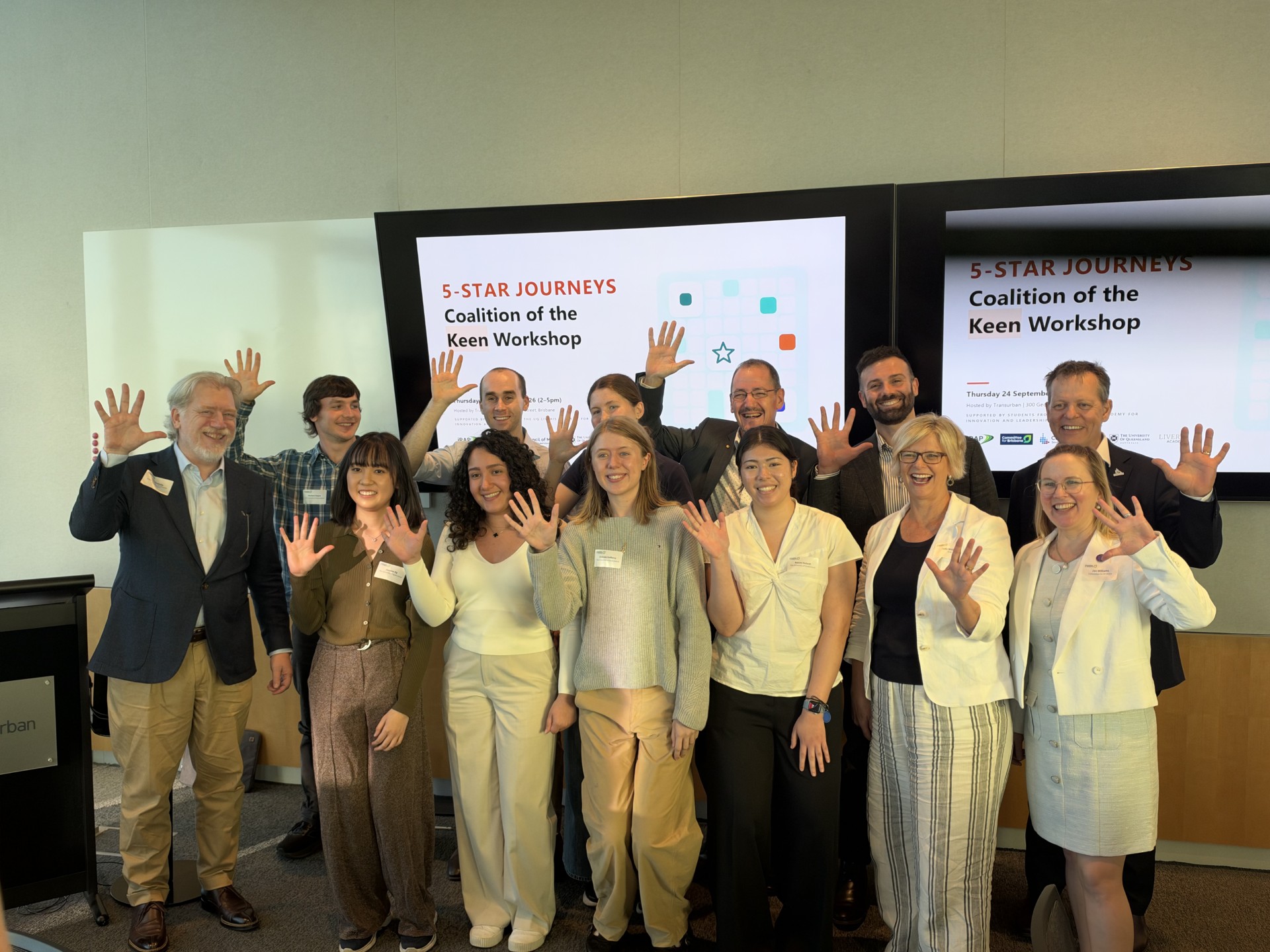
The Committee for Brisbane recently brought together the International Road Assessment Programme (iRAP), the Council of Mayors (SEQ), students from the UQ Liveris Academy for Innovation and Leadership and leaders from across the region to examine how South East Queensland can reshape the systems, partnerships and decision-making structures that will define mobility through to 2050. The discussion took place at the 5-Star Journeys Coalition of the Keen Workshop, kindly hosted by Transurban.
Bringing together approximately 60 leaders and experts from across transport, planning, infrastructure, government, industry and academia, the workshop explored one of South East Queensland’s most significant long-term challenges: how the region can move beyond fragmented projects and institutional boundaries to create safer, more accessible, inclusive and sustainable journeys for a rapidly growing population.
With Brisbane’s population growth expected to see the city become larger by 2032 than Sydney was during the 2000 Olympic & Paralympic Games, participants considered not only what a successful transport and mobility future should look like, but how planning, investment and decision-making will need to evolve to deliver it across South East Queensland.
Supported by students from the Liveris Academy, the interactive session challenged participants to look beyond individual projects and transport modes. Discussion centred on the governance, collaboration and leadership structures needed to align priorities, sustain action across institutional and electoral cycles, and deliver meaningful change through to 2050.
The afternoon featured insights from Scott Smith, Chief Executive Officer of the Council of Mayors (SEQ), and Rob McInerney AO, Chief of Future Impact at iRAP, who highlighted both the scale of the challenge and the opportunity to create a lasting legacy from the Brisbane 2032 Olympic and Paralympic Games.
Following three hours of lively discussion, debate and idea sharing, the Liveris Academy students will synthesise the collective insights into a recommended pathway forward, identifying how partners can build the enduring structures, shared priorities and coordinated action needed to shape South East Queensland’s mobility future.
The Committee for Brisbane thanks Transurban for hosting the event, iRAP and the Council of Mayors (SEQ) for their leadership and partnership, Prof. Tim Kastelle and the Liveris Academy students for facilitating the discussions, and Karen Stephan for providing the vote of thanks.
Together, these conversations are laying the groundwork for sustained, region-wide change—strengthening the partnerships, governance and shared direction needed to make every journey across South East Queensland safer, more connected and more inclusive.
You can see photos from the workshop here.
Special Event - SE
State Planning Policy
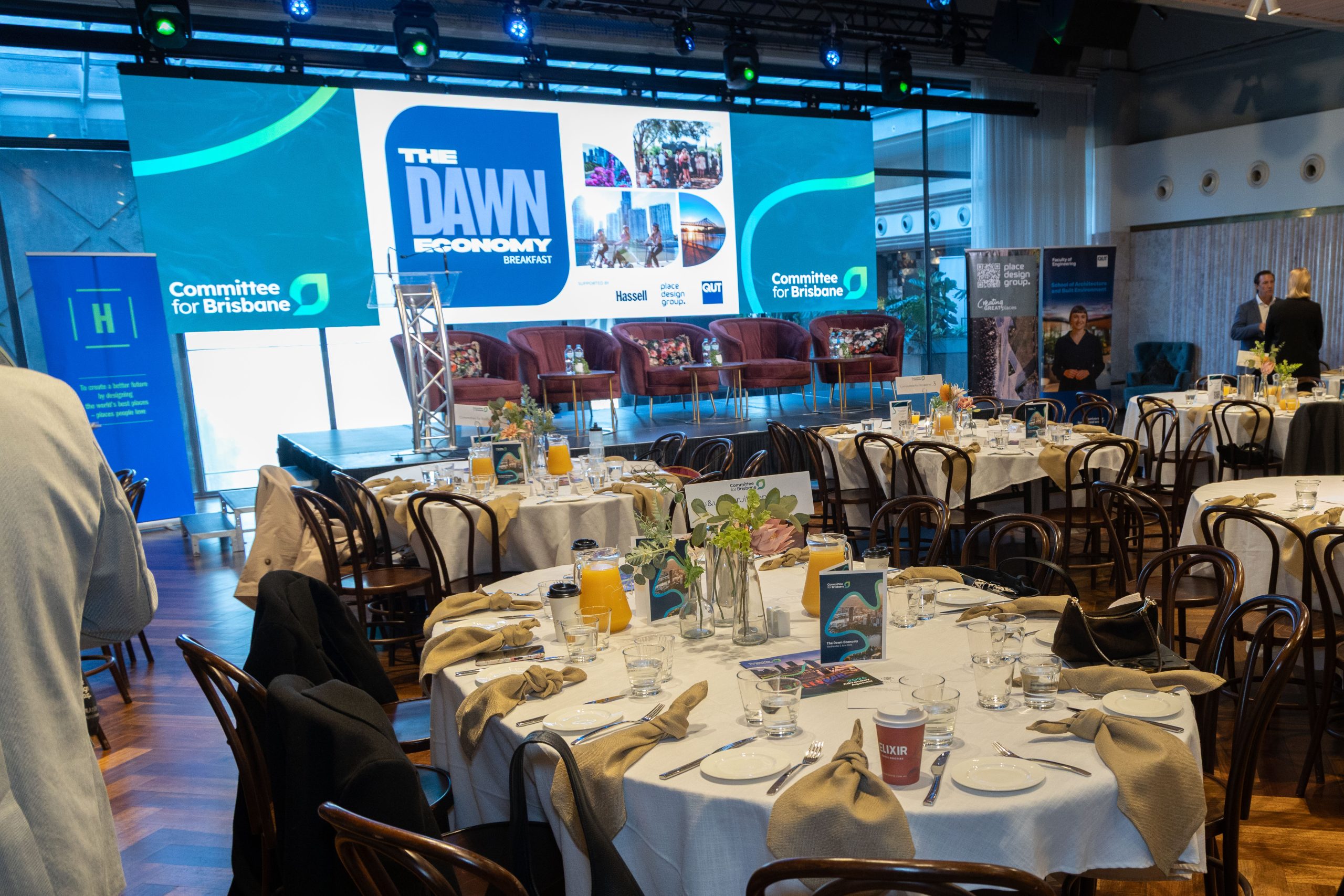
The Dawn Economy is gaining momentum!
The Queensland Government has opened consultation on the draft State Planning Policy (SPP) 2026, providing an important opportunity to help shape how our cities, communities and economy grow over the coming decades.
Of particular interest to Committee for Brisbane members is the inclusion of the dawn economy within the draft policy. The concept was originally championed through the Committee’s City Vision Subcommittee as part of broader thinking about how Brisbane can become a more productive, connected and liveable city across the full 24-hour cycle.
The draft SPP reflects a broader shift towards planning for a diverse range of economic activities beyond traditional business hours and also reflects the importance of the work undertaken by the Night Life Economy Commissioner, John ‘JC’ Collins, in championing the need for a safe, vibrant and diverse night-time economy.
For Brisbane, this represents an encouraging step towards recognising how changing work patterns, population growth and evolving urban lifestyles are reshaping the way our city operates.
Committee for Brisbane members are encouraged to review the consultation materials and consider making a submission, particularly on areas that will influence Brisbane’s long-term growth, competitiveness and liveability.
Consultation is open until Monday 26 October 2026. More information is available here.
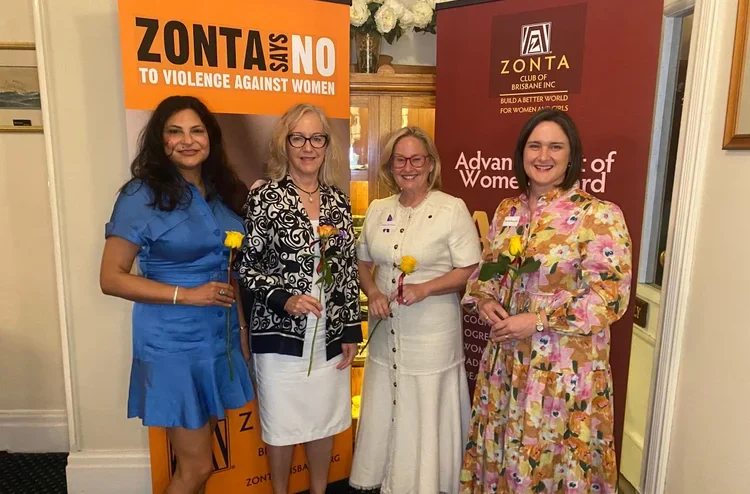
Zonta Club's 2027 Advancement of Women Award
Applications are open for the Zonta Club of Brisbane’s 2027 Advancement of Women Award.
Zonta Club Brisbane’s annual Advancement of Women Award has increased to $10,000 for the first time (up from $7,500) and recognises individuals of any gender, profession, or background who champion women and create new opportunities across social, community, economic, academic, political or workplace settings.
If you know someone making a real impact, nominate them today – or apply yourself – to be considered for this $10,000 award. Your nomination could help shine a spotlight on inspiring leaders advancing women.
Each year, the $10,000 award supports initiatives that progress the status of women, facilitate women’s advancement and amplify the impact of their work.
The Award opened for nominations on 3 September and will close on Friday 13 November 2026. The winner will be announced on 3 March 2027 and you will be invited to this event.
For more information and to prepare a nomination click here.
Brisbane Festival
For three weeks this September, Brisbane Festival once again brought the city to life through a vibrant program of arts, culture and performance. The annual festival attracted audiences from across Brisbane and beyond, showcasing the creativity, talent and cultural confidence that continue to shape the city’s identity.
The opening weekend was marked by the return of Riverfire, with thousands gathering across the city to enjoy one of Brisbane’s most anticipated annual events. Throughout the festival, venues and public spaces across the city hosted a diverse range of performances, installations and cultural experiences, creating opportunities for residents and visitors alike to engage with the arts.
The Festival Village at South Bank Parklands once again served as a focal point for activity, while Brisbane’s cultural institutions delivered a strong program of exhibitions, theatre and live performance. Together, these experiences highlighted the depth and diversity of Brisbane’s cultural offering and reinforced the city’s growing reputation as a vibrant destination for arts and entertainment.
Beyond the performances themselves, Brisbane Festival continues to play an important role in supporting the visitor economy, activating public spaces and strengthening civic pride. Events such as Brisbane Festival help showcase the experiences, culture and lifestyle that make Brisbane uniquely Brisbane while contributing to the city’s reputation on the national and international stage.
The Committee for Brisbane congratulates Charlie Cush CEO of the Bris Festival, along with Artistic Director Ebony Bott and the broader Brisbane Festival team on a successful 2026 program.
NB – image from Brisbane Festival website
Griffith University Announces Next Vice Chancellor
Committee for Brisbane member Griffith University has announced the appointment of Professor Jessica Vanderlelie as its sixth Vice Chancellor and President. Professor Vanderlelie will become the first Griffith graduate to lead the University, succeeding Professor Carolyn Evans following her tenure from 2019 to August 2026.
Raised on the Gold Coast, Professor Vanderlelie completed both her undergraduate and postgraduate studies at Griffith before beginning her academic career at the University’s Gold Coast campus. She has since held senior leadership roles at La Trobe University and Deakin University, including serving as Deputy Vice Chancellor at both institutions.
Professor Vanderlelie brings extensive experience across higher education, with expertise spanning student success, equity and inclusion, First Nations participation, digital transformation and the future of education. Her appointment comes at a significant time for the sector as universities continue to play an important role in developing the talent, research and innovation needed to support Australia’s future prosperity.
The Committee for Brisbane congratulates Professor Vanderlelie on her appointment and looks forward to working with her as Griffith University continues to contribute to education, research and innovation across the Brisbane city-region.
NB – image from Courier Mail
Freight planning in focus
Of particular interest to the Committee for Brisbane’s Transport, Logistics and Mobility sub-committee, the Queensland Government has recently released the Queensland Freight Delivery Plan 2026, a five-year roadmap that outlines 70 actions to improve freight productivity, reliability, safety and resilience.
The plan includes measures to strengthen freight access and connectivity, improve first and last-mile movements, invest in critical road, rail and marine infrastructure, and support greater efficiency across supply chains.
Key initiatives include:
- A new Rail Freight Container Incentive Scheme
- Discounted diesel fuel access charges on the Mount Isa Line
- Reforms to heavy vehicle access arrangements
- Improved first and last-mile freight connections
- Targeted investment in freight infrastructure across Queensland
The release of the plan aligns closely with recommendations from the Queensland Transport and Logistics Council’s Brisbane 2032 Freight and Supply Chain White Paper, which highlights the importance of coordinated freight planning as Queensland prepares for the Brisbane 2032 Olympic and Paralympic Games.
Drawing on input from 45 logistics and supply chain experts (including members of the Committee for Brisbane), the White Paper identifies a shared challenge across the construction, Games delivery and legacy phases: maintaining reliable business-as-usual freight movements while accommodating an unprecedented infrastructure and event program.
Importantly, the White Paper argues that the Brisbane 2032 Games should not simply be viewed as a logistical challenge. It presents a once-in-a-generation opportunity to build stronger freight coordination capabilities, improve information sharing and leave a lasting legacy of more resilient supply chains for Queensland.
You can access the Queensland Freight Delivery Plan 2026 here
QTLC’s White Paper is available here
It’s all happening at EDQ
Economic Development Queensland (EDQ) has recently announced a series of significant planning and development initiatives that will help shape Brisbane’s growth, housing supply and economic development pipeline.
Northshore Hamilton development partners selected
EDQ has selected five Queensland developers to deliver a major mixed-use riverfront precinct within the Northshore Hamilton Priority Development Area.
The five developments are expected to deliver almost 2,200 homes for around 4,000 residents, alongside more than 21,600 square metres of retail and commercial space and new community facilities. The announcement follows a competitive process that attracted 18 proposals and reflects continued market confidence in Brisbane’s long-term growth prospects.
EDQ will invest $154 million in catalyst infrastructure and planning reforms to accelerate housing delivery within the precinct. Construction of the first homes is expected to commence in 2028, with the first residents anticipated from 2031.
Bowen Hills planning changes open for consultation
EDQ has commenced consultation on proposed amendments to the Bowen Hills Priority Development Area Development Scheme, aimed at accelerating housing delivery and reducing barriers to development.
The proposed changes seek to facilitate an additional 4,000 homes beyond the 23,000 already planned across the life of the PDA. Proposed amendments include increased building heights in parts of the mixed-use zone, greater flexibility for performance-based development outcomes, the removal of several restrictive planning provisions, and the introduction of a new artisan food and drink industry use near the Brisbane Showgrounds.
Consultation on the proposed amendments is open until 9 October 2026. Have your say here.
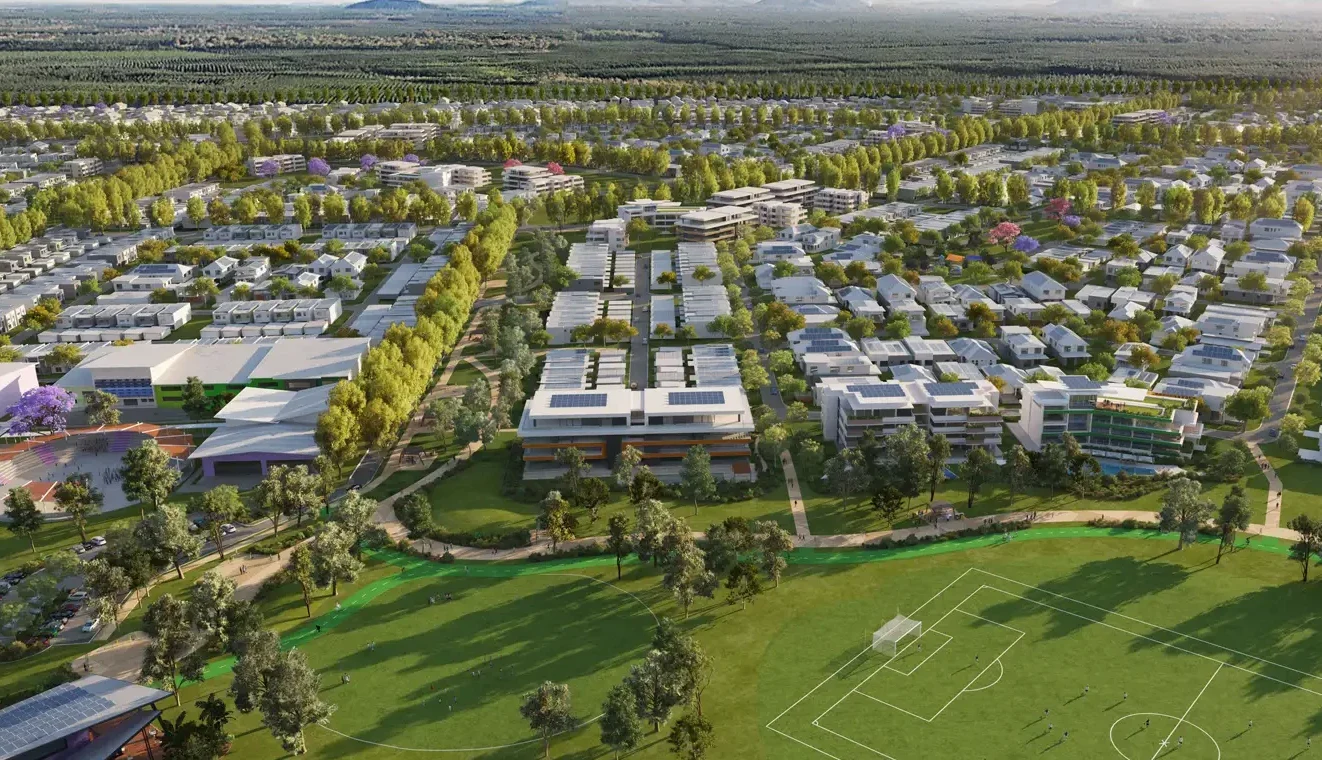
Halls Creek PDA consultation
EDQ has also commenced public consultation on the proposed Development Scheme for the Halls Creek Priority Development Area, with submissions open until 28 October 2026.
Declared in July 2026, the 1,231-hectare PDA is located within the Sunshine Coast local government area and has been identified as a Potential Future Growth Area to support the region’s longer-term housing and population growth needs.
The proposed Development Scheme provides the framework for how the precinct could evolve over time, identifying locations for future housing, employment lands, centres, schools, parks, environmental corridors and transport connections. The intent is to support a coordinated approach to growth, infrastructure delivery and placemaking, while ensuring residents have access to jobs, services and open space.
More information about the PDA and how to lodge a submission can be found here.
BCC Suburban Pub Stays Strategy
As explored at the Committee for Brisbane’s Where will everyone stay? event this month, Brisbane is facing a well-documented shortage of hotel rooms ahead of the Brisbane 2032 Olympic and Paralympic Games.
In response to this, Brisbane City Council has released its new Suburban Pub Stays Strategy, aimed at encouraging accommodation development on suitable suburban pub sites.
The strategy recognises that many suburban hotels occupy large, underutilised sites that may be able to accommodate new short-stay accommodation and function spaces. Of more than 60 suburban pubs across Brisbane, only 15 currently offer accommodation, presenting an opportunity to deliver additional visitor rooms in established locations across the city.
To help accelerate delivery, Council has proposed a Temporary Local Planning Instrument that would make it easier for existing suburban pubs in certain locations to add short-term accommodation. Proposed changes include allowing up to two additional storeys on eligible sites, where appropriate, and updating parking requirements in areas with good public transport access.
The proposed planning changes now require Queensland Government approval. If endorsed, the temporary provisions would apply for a two-year period, creating a window for suitable suburban pub sites to contribute additional accommodation capacity ahead of 2032.
More on the Strategy is available here.
Games Readiness Report highlights accessibility opportunities ahead of Brisbane 2032

Committee for Brisbane congratulates the Queenslanders with Disability Network (QDN) on the launch of its Games Readiness Report: Queensland Hotel and Transport Accessibility, an important contribution to the conversation about ensuring the Brisbane 2032 Games leave a lasting and inclusive legacy for all Queenslanders.
Launched earlier this month, the report examines accessibility across Queensland’s hotel and transport sectors and identifies practical opportunities to improve the experience of people with disability as the state prepares to welcome the world for the Olympic and Paralympic Games.
The report reinforces the importance of embedding accessibility into planning and investment decisions now, so that the benefits extend well beyond the Games themselves. Accessible infrastructure, services and visitor experiences are not only essential for people with disability, they help create a more welcoming and inclusive city and region for everyone.
As Brisbane’s preparations for 2032 continue, reports such as this provide valuable insights that can help guide decision-making and ensure the benefits of Games-related investment are broadly shared, and the Committee for Brisbane was pleased to contribute to the report.
We again congratulate QDN on this significant contribution and look forward to continuing the conversation on how Brisbane can leverage the Games to become a more accessible, inclusive and connected city for residents and visitors alike.
$178 Billion Construction Pipeline
The Queensland Construction Portal was officially launched this month by Brisbane Economic Development Agency (BEDA), the Property Council of Australia and Better Brisbane Alliance, providing an Australian-first view of Queensland’s major construction pipeline and the workforce and materials needed to deliver it.
Developed in collaboration with government, BuildSkills Australia, the Queensland Major Contractors Association, RLB and industry partners, the portal brings together major public and private sector projects valued at more than $50 million into a single platform. The initiative was designed to improve visibility of future construction activity and support more informed planning, investment and workforce decisions.
The portal mapped a major project pipeline valued at $174 billion through to 2029-30, identifying 617 significant projects across Queensland.
In addition to tracking project activity, it provides forecasts of future workforce, skills and materials demand, helping industry and governments better understand where capacity constraints and opportunities may emerge.
The Committee for Brisbane congratulates all the partners involved in the development of the Queensland Construction Portal, which will provide a valuable evidence base for organisations involved in the planning and delivery of Queensland’s next generation of projects.
The Queensland Construction Portal can be accessed here.
Subscribe to stay updated